

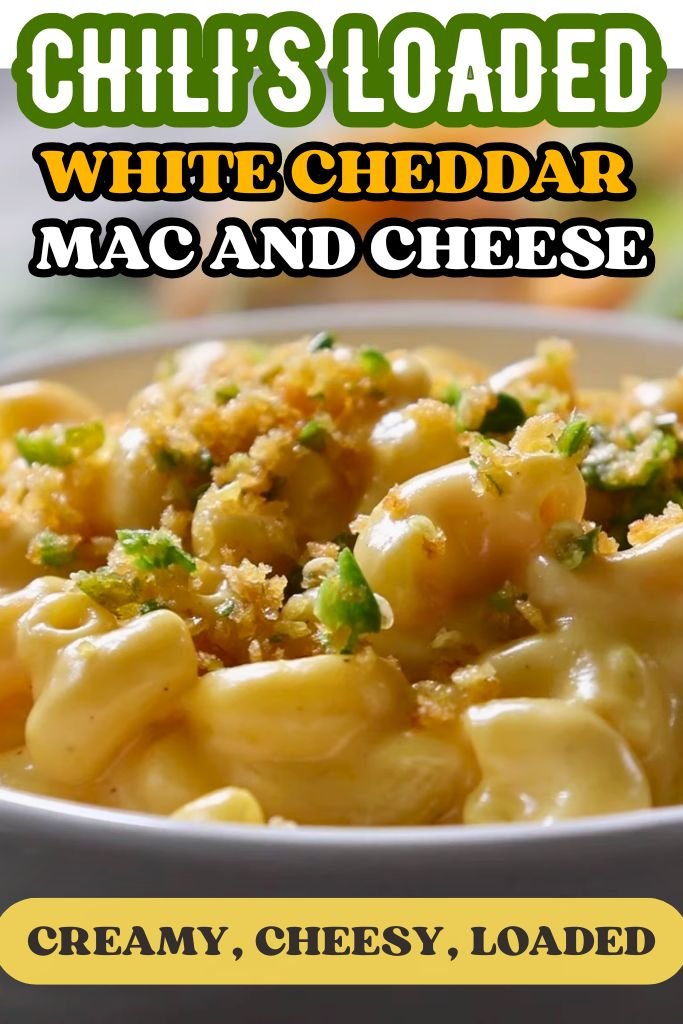
Chili’s loaded white cheddar Mac and Cheese
I often order Chili’s loaded white cheddar Mac and Cheese. It is my favorite comfort food. When I go to the restaurant, I always choose it without thinking.
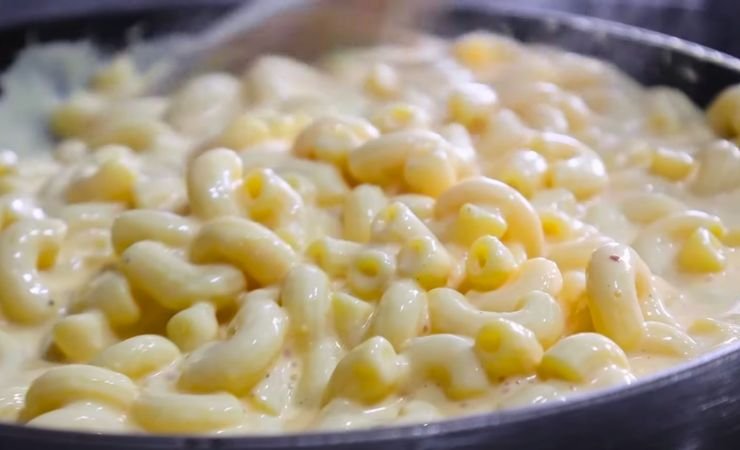
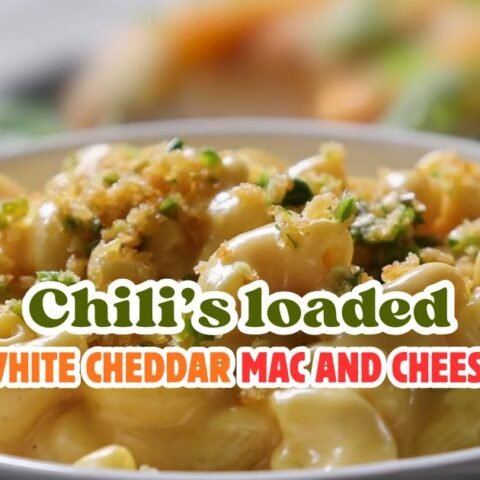
The texture is inviting. The sauce is thick and smooth, not sticky. The white cheddar is sharp and creamy. The toppings are salty, smoky, and crunchy, making it more than just a side dish.
Sometimes I say I’ll “try something different,” but I usually pick it again. It’s heavy, but comforting. It’s not overrated, hard to resist, and definitely expensive. That’s why I started making it at home.
Why This Loaded Mac and Cheese Keeps Winning Orders
Chili’s loaded white cheddar Mac and Cheese is much better than their regular version. The regular mac uses yellow cheddar and has no toppings, making it creamier but less exciting.
Compared to other restaurant mac and cheeses, this one stands out. Applebee’s version tastes more like Velveeta, smooth but dull. Texas Roadhouse serves theirs as a side, but it’s thinner and doesn’t have that loaded feel.
The surprisingly best store-bought option is Stouffer’s frozen mac and cheese with added bacon bits and extra shredded white cheddar melted on top. It gets close but still lacks the thick, glossy sauce you find at Chili’s.
Nothing beats making it fresh at home, where you can control how loaded it gets.
Secrets Behind the Ultra-Creamy Cheese Sauce
To make a smooth cheese sauce, follow a few key tricks. Restaurants use far more real cream and butter than people do at home. The fat ratio is important because fat helps carry flavor and keeps the sauce silky.
To avoid making the cheese grainy and causing the fat to separate, it’s important to control the temperature and not let the sauce boil. Choosing the right type of cheddar is also vital.
Pre-shredded cheese has anti-caking agents that stop it from melting smoothly, which is why restaurants shred whole blocks of cheese themselves. During service, they keep the mac and cheese warm in steam tables and add a splash of extra cream from time to time.
This final touch of cream before serving keeps the sauce glossy and prevents it from drying out under the heat lamps.
Ingredients Breakdown for Chili’s loaded white cheddar Mac and Cheese
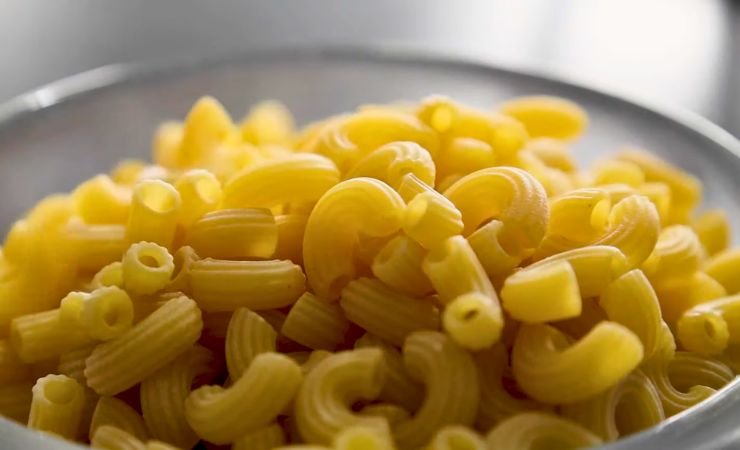
Elbow Macaroni (300g): Its small, curved shape holds the sauce well. Cavatappi or shell pasta also works great.
White Cheddar Cheese (400g, freshly shredded): This gives the dish a sharp and tangy flavor. Shredding it yourself from a block is best, as pre-shredded cheese can make the sauce grainy. You can mix white cheddar with Monterey Jack for a creamier taste.
Whole Milk (500ml): This makes the sauce creamy. Whole milk has enough fat to keep it smooth. You can use half-and-half to make a richer, thicker sauce.
Heavy Cream (200ml): This adds body and keeps the sauce from being too thin. If needed, you can replace it with more whole milk, but the sauce won’t be as creamy.
Butter (60g): This starts the roux and adds richness. Both salted and unsalted butter can be used; adjust the salt later.
All-Purpose Flour (3 tablespoons): This thickens the sauce. You can substitute it with cornstarch mixed with cold milk, but the texture will change slightly.
Salt (to taste): This enhances all the flavors. Start with a teaspoon and adjust after adding cheese.
Black Pepper (½ teaspoon): This adds a small kick. Freshly ground pepper is best.
Bacon (150g, cooked and crumbled): This brings a smoky, salty crunch. You can use turkey bacon or crumbled veggie bacon for a lighter option.
Jalapeños (2-3, diced): These add heat and brightness. You can use pickled or fresh jalapeños; pickled ones add more tang.
Panko Breadcrumbs (100g, toasted): These create a crispy topping. You can use crushed Ritz crackers or fried onions for crunch.
Garlic Powder (½ teaspoon): This deepens the flavor without being too strong. Onion powder can be used instead.
Smoked Paprika (¼ teaspoon): This adds a subtle smokiness that complements the bacon. You can skip it, but it helps tie the flavors together.
Essential Tools for a Smooth Cooking Process
- Large Pot: Use this for boiling pasta correctly.
- Heavy-Bottomed Saucepan: This helps prevent the roux from burning.
- Whisk: A whisk makes the sauce smooth and free of lumps.
- Box Grater: Shred cheese easily with this tool.
- Skillet: Cook bacon until it’s crispy in this pan.
- Wooden Spoon: Stir without scratching your pans with this spoon.
- Colander: Drain pasta quickly and easily with this tool.
- Measuring Cups and Spoons: Use these to keep measurements accurate.
How to Make Chili’s loaded white cheddar Mac and Cheese
1. Boil the Pasta: Fill a large pot with water and bring it to a boil. Add salt and elbow macaroni, and cook for 1 minute less than the package directions. Drain the pasta without rinsing and set it aside.
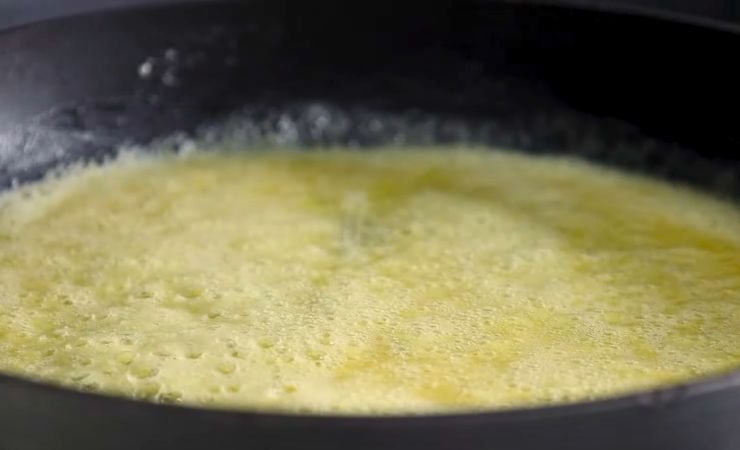
2. Make the Butter and Flour Base: In a medium saucepan, melt butter over medium heat until it bubbles. Add the flour and whisk for 2 minutes, until it smells nutty but isn’t browned. Whisk in milk gradually to avoid lumps. Cook gently until the mixture thickens enough to coat the back of a spoon.
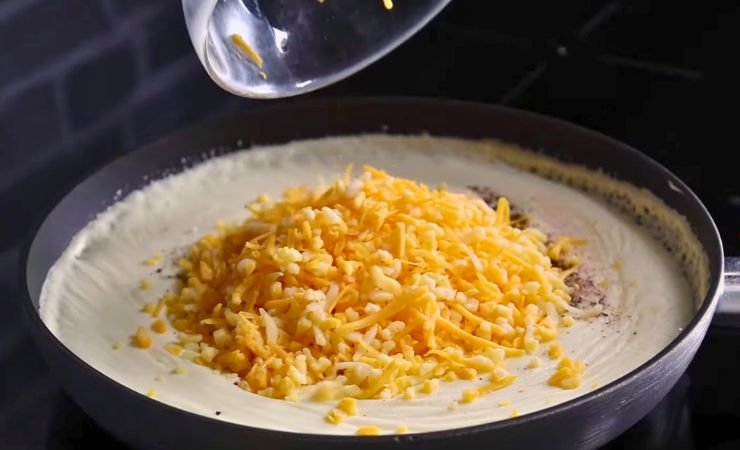
3. Add the Cheese: Grate 300 grams of white cheddar. Remove the saucepan from the heat and stir in the cheese a little at a time, letting each addition melt before adding more. Season with salt and pepper.
4. Mix in the Pasta: Combine the drained macaroni with the cheese sauce, then let it sit for a minute. In a small skillet, toast breadcrumbs over medium heat until golden, about 3 minutes.
Serve the mac and cheese in bowls, topped with toasted breadcrumbs and fresh green chilies.
Common Mistakes That Ruin the Texture
1. Use Freshly Shredded Cheese
Pre-shredded cheese may save time, but it can make your sauce grainy. The anti-caking agents prevent smooth melting. Always shred your own white cheddar.
2. Keep the Heat Low When Adding Cheese
High heat makes cheese turn rubbery and causes the sauce to separate. Always lower the heat before adding cheese, which helps create a creamy sauce.
3. Use Starchy Pasta Water to Thin Sauce
Save a cup of pasta water before draining. The starch helps the sauce stick to the noodles and can be used to thin the sauce without losing flavor.
4. Don’t Overcook the Pasta
Cooking pasta too long makes it mushy and causes it to soak up too much sauce. Cook it just under al dente, so it stays firm when you mix it into the cheese sauce.
5. Add Bacon Fat for Extra Flavor
Use leftover bacon fat from the skillet to enhance flavor. It can add richness to your breadcrumbs or the sauce.
6. Mix Cheeses for Better Taste
White cheddar can be too sharp for some. Mixing it with Monterey Jack or mild cheddar balances the flavor, making the sauce smoother.
Cooking Methods Compared: Stovetop vs. Baked vs. Hybrid
Restaurants like Chili’s likely make their mac and cheese on the stovetop in batches and keep it warm in steam tables during service. They add a bit of cream or butter to each order to keep it shiny and smooth.
For home cooks, using the stovetop is best. It allows you to control the sauce’s thickness and keeps everything creamy. Baking works better if you’re serving a large group or want a crispy top. You can put everything in a baking dish, top it with breadcrumbs and cheese, and bake it at 350°F for about 20 minutes.
The hybrid method combines both approaches: make the sauce on the stovetop, mix it with the pasta, transfer it to a baking dish, add toppings, and then broil for 3 minutes to crisp the top.
This way, you get a creamy inside and a crunchy top without drying it out. For a true copycat version, use the stovetop method and add your toppings right before serving.
Nutrition Overview and Portion Reality
A full serving of this mac and cheese has about 800 to 900 calories. This estimate is based on the ingredients and portion sizes. It has about 30-35 grams of protein, mainly from cheese and bacon. The dish contains about 70 to 80 grams of carbs, which come from pasta and flour in the sauce.
The fat content is high, about 45-50 grams, from butter, cream, cheese, and bacon. The sodium level is also high, usually between 1,200 and 1,500 milligrams per serving, which is more than half of the recommended daily amount. The cheese and bacon add a lot of salt.
How Indulgent It Actually Is
This loaded mac and cheese has more calories and fat than regular mac and cheese because of the bacon, extra cheese, and cream. A typical homemade mac and cheese has around 400 to 500 calories per serving.
Most people eat this dish as a side, which is about half a serving, around 400 to 450 calories. However, many people end up eating a full bowl. It is rich and heavy, so it’s not something to eat every day.
Still, it’s not the worst choice. It has decent protein and calcium from the cheese. Enjoy it occasionally, savor the flavor, and balance it with lighter meals for the rest of the day.
Variations and Dietary Adjustments
You can change this recipe while keeping it the same. For a vegetarian option, use roasted mushrooms or caramelized onions instead of bacon. Add smoked paprika for a smoky taste.
To make it gluten-free, replace elbow macaroni with gluten-free pasta and use cornstarch to thicken. If you want chicken, cook diced chicken breast first and add it later.
To make sure your mac and cheese isn’t bland, season it well with salt, since white cheddar can vary in saltiness. Boost the flavor with sharp yellow cheddar or add some heat with jalapeños or pepper jack.
If the sauce tastes bitter, it may have overheated cheese; you can fix it by adding a little vinegar or lemon juice.
What to Serve With Loaded Mac and Cheese
This mac and cheese goes well with bold, smoky proteins. Grilled ribs with barbecue sauce balance the creamy flavor, while a thick steak adds meatiness. Roasted vegetables, such Brussels sprouts provide a nice contrast. Cornbread or garlic bread is tasty, but they can make the meal heavier.
For sides, choose simple and fresh options. A crisp green salad with vinaigrette balances the creamy mac and cheese. For a lighter choice, grilled chicken thighs or wings are also tasty.
For parties, serve mac and cheese. Offer extra toppings like bacon, jalapeños, hot sauce, and sour cream so everyone can make their own bowl. It’s always a hit with guests.
Storage, Reheating, and Leftover Strategy
This mac and cheese stays good in the fridge for about 4 days if it’s in a sealed container. You can also freeze it for up to 3 months. If you freeze it, thaw it slowly in the fridge overnight.
When reheating, the microwave is quick but can dry out the edges and make the sauce grainy. Instead, use the stovetop on low heat. Add a splash of milk while stirring until it warms up and becomes creamy again.
When reheating, the sauce may separate as the fat breaks down. If that happens, add a tablespoon of milk or cream and stir constantly off the heat until it comes back together.
A tiny pinch of extra shredded cheese can also help. Take your time when reheating; rushing can lead to oily noodles and clumpy cheese.
Chili’s loaded white cheddar Mac and Cheese
Copycat Chili’s loaded white cheddar Mac and Cheese with a creamy sauce, crispy toppings, and bold flavor, ready in under 1 hour.
Ingredients
- Elbow Macaroni: 300 g
- White Cheddar Cheese (freshly shredded): 400 g
- Whole Milk: 500 ml
- Heavy Cream: 200 ml
- Butter: 60 g
- All-Purpose Flour: 3 tbsp
- Salt: to taste
- Black Pepper: ½ tsp
- Bacon (cooked and crumbled): 150 g
- Jalapeños (diced): 2–3
- Panko Breadcrumbs (toasted): 100 g
- Garlic Powder: ½ tsp
- Smoked Paprika: ¼ tsp
Instructions
- Fill a large pot with water and bring it to a boil. Add salt and elbow macaroni, and cook for 1 minute less than the package directions. Drain the pasta without rinsing and set it aside.
- In a medium saucepan, melt butter over medium heat until it bubbles. Add the flour and whisk for 2 minutes, until it smells nutty but isn’t browned. Whisk in milk gradually to avoid lumps. Cook gently until the mixture thickens enough to coat the back of a spoon.
- Grate 300 grams of white cheddar. Remove the saucepan from the heat and stir in the cheese a little at a time, letting each addition melt before adding more. Season with salt and pepper.
- Combine the drained macaroni with the cheese sauce, then let it sit for a minute. In a small skillet, toast breadcrumbs over medium heat until golden, about 3 minutes. Serve the mac and cheese in bowls, topped with toasted breadcrumbs and fresh green chilies.
Nutrition Information:
Yield: 4 Serving Size: 1Amount Per Serving: Calories: 850
To make Chili’s loaded white cheddar Mac and Cheese, use sharp white cheddar, a creamy sauce, and toasted bread crumbs on top. Shred your own cheese to achieve a thick, glossy texture for the best results.
Enjoy your loaded white cheddar Mac and Cheese anytime!