

I love watching Sonny Hurrell, also known as That Dude Can Cook. He shares food videos on YouTube and TikTok, and his style feels real and calm.
One recipe that caught my eye was the That Dude Can Cook Rosemary Salt Recipe. His slogan says anyone can cook, and I believe that. I enjoy drying herbs and keeping jars on my shelf for daily meals.
When I saw his rosemary salt, the bright green color pulled me in right away. It looked fresh and bold. That simple blend pushed me to try my own version. The smell was clean and strong, and the flavor felt balanced. Now this copycat That Dude Can Cook Rosemary Salt Recipe stays in my spice line.
I use it often, and it never feels boring. I am glad to share how I prepare it and why it works so well for everyday food.
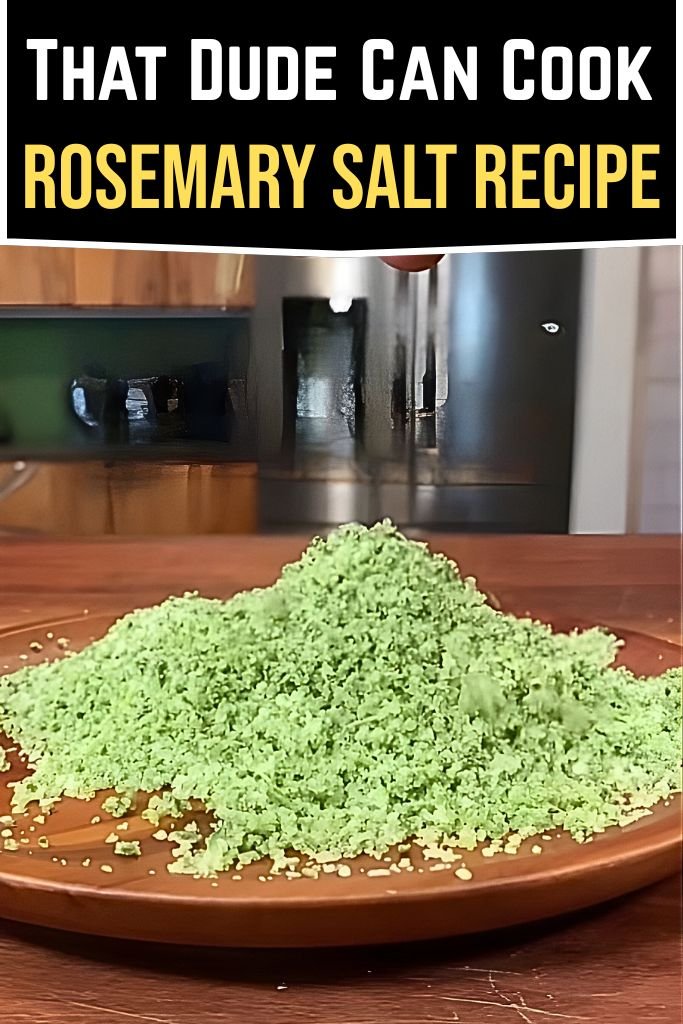
What Is Rosemary Salt?
Rosemary salt is a simple blend of salt and fresh herbs. The main flavor comes from rosemary, which has a clean, pine-like smell. Salt helps pull out the natural oils from the herbs.
This creates a mix that smells fresh and looks bright green. Many cooks use rosemary salt to add quick flavor without extra steps.
In the That Dude Can Cook Rosemary Salt Recipe, other herbs and citrus add more depth. I like how it stays dry, easy to store, and ready to use anytime.
It turns plain food into something more bold with just a small pinch.
How to Dry Rosemary to Make Rosemary Salt?
Drying rosemary before blending helps keep your salt from clumping. You can air-dry fresh rosemary by hanging bunches upside down in a warm, dry spot for about two weeks.
Or you can use an oven set to the lowest temperature. Spread rosemary on a baking sheet and leave it for two hours. The leaves should crumble easily when done.
Once dry, strip the needles from the stems. Now your rosemary is ready to blend with salt.
That Dude Can Cook Rosemary Salt Ingredients & Substitutions
- Fresh rosemary – 1 cup, loosely packed: This herb brings a pine-like aroma and sharp taste that’s key to the blend. Pick bright green sprigs without brown spots for the best results. You can use dried rosemary, but cut the amount in half since it’s stronger.
- Fresh sage – ½ cup, loosely packed: Sage adds a soft, earthy warmth that pairs well with rosemary. Choose leaves that are soft and gray-green. Thyme also works well if sage is hard to find.
- Kosher salt – 1 cup: This coarse salt draws out moisture from the herbs and creates a chunky texture. Sea salt gives a similar crunch and you can use it instead for a mineral twist.
- Garlic cloves – 2 cloves, smashed: Garlic offers a mild, savory kick that rounds out the flavors. Smash them to release oils easily. Onion powder can step in for a subtler note.
- Lemon zest – From 1 medium lemon: The zest provides a bright, citrus lift that cuts through the herbs. Use a fresh lemon for the most zest. Lime zest works too for a tangier edge.
Essential Kitchen Equipment
- Food processor – blends ingredients
- Sharp knife – trims herbs
- Cutting board – safe prep
- Zester – fine lemon peel
- Airtight jar – storage use
How To Make That Dude Can Cook Rosemary Salt (Step-by-Step)
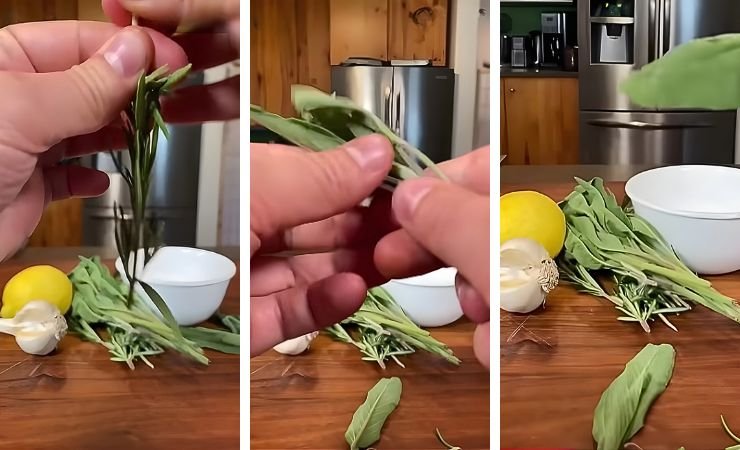
1. Prepare the Herbs, Garlic & Lemon: Strip the rosemary needles from the stems. Remove tough stems from sage leaves. Rinse herbs under cool water. Pat dry using a clean towel. Dry herbs fully to avoid moisture in the salt blend.
Smash two garlic cloves using the flat side of a knife. Remove garlic skin. Zest one lemon using a fine zester. Avoid the white layer under the peel.
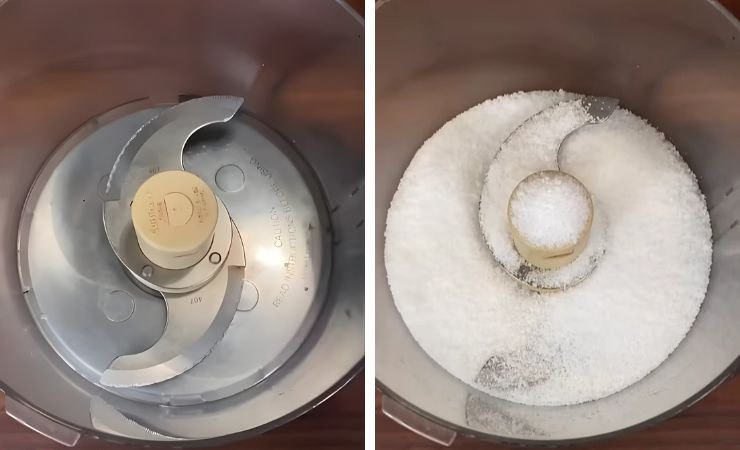
2. Measure the Salt: Place coarse salt into the food processor bowl. The salt should cover the bottom evenly. Salt helps pull moisture from the herbs during blending.
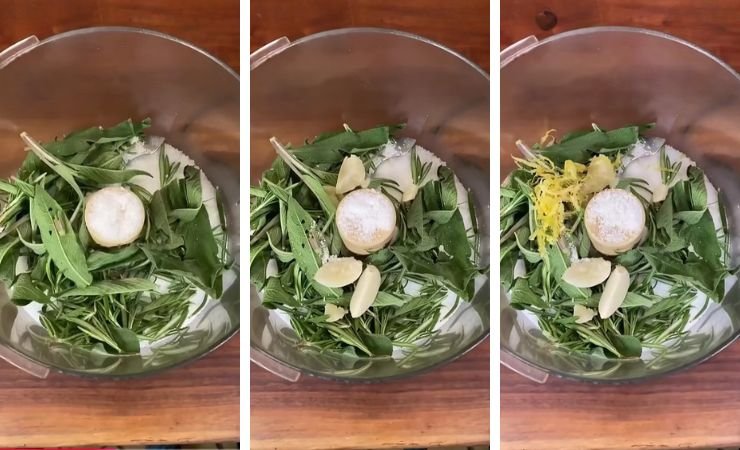
3. Add Herbs and Flavor: Add rosemary, sage, garlic, and lemon zest to the processor. Spread ingredients evenly over the salt.
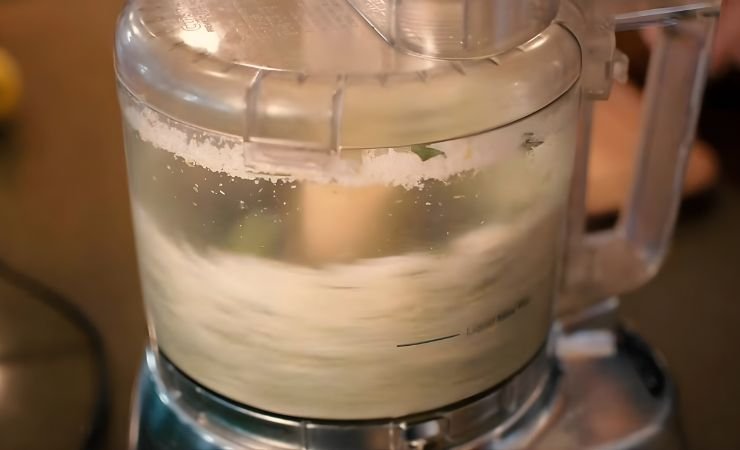
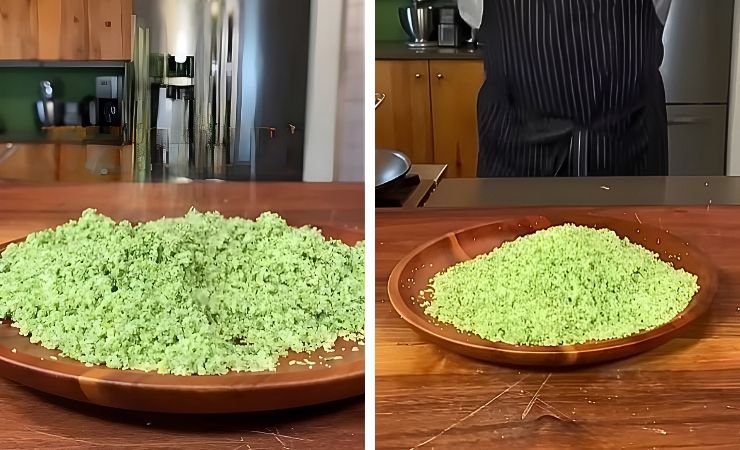
4. Blend the Mixture: Secure the lid. Pulse in short bursts until the mix looks even. The color should turn light green with small herb pieces. Avoid over-blending to keep texture pleasant.
5. Dry the Salt & Store Properly: Spread the blend on a baking sheet lined with parchment. Leave at room temperature for several hours until dry. Stir once during drying for even airflow.
After that transfer the dry rosemary salt into an airtight jar. Label the jar with the date. Store in a cool, dry spot.
Chef Tips for Maximum Flavor
- Use Fresh Herbs for Best Results: Fresh herbs create a brighter color and stronger aroma than dried herbs. Pick rosemary and sage that look vibrant and smell strong. Wilted or brown herbs will not give you the same flavor punch.
- Let the Salt Dry Completely: Do not rush the drying step. If you store the salt while it still has moisture, it will clump together and can develop mold. Give it enough time to dry fully. Patience pays off here.
- Adjust Herb Ratios to Your Taste: You can play with the amounts of rosemary and sage. Like more rosemary? Add extra. Prefer less garlic? Cut it back. This recipe is flexible and you can make it your own.
Common Mistakes to Avoid When Making Rosemary Salt
I have learned a few things from making this recipe several times. Here are some mistakes you should avoid.
1. Using Wet Herbs
Always dry your herbs completely after washing them. Even small amounts of water can make your salt soggy and cause clumping. Take the extra time to pat them dry with a towel.
2. Over-Blending the Mixture
Pulsing too long turns the herbs into a paste. You want small pieces mixed throughout the salt, not a mushy blend. Stop pulsing as soon as you see an even, light green color.
3. Skipping the Drying Step
Some people want to use the salt right away. But skipping the drying time means your salt will clump in storage. Let it dry completely for best results.
4. Storing in a Damp Location
Keep your rosemary salt away from the stove, sink, or anywhere humid. Moisture is the enemy of herb salts. A dry pantry shelf is the best spot.
Flavor Variations and Customizations
You can create different versions of this salt to match what you like. Here are some ideas I have tried.
1. Spicy Rosemary Salt
Add a pinch of red pepper flakes or a small dried chili to the food processor. This gives your salt a nice kick. I love this version on roasted vegetables.
2. Italian Herb Salt
Swap the sage for basil and oregano. Add a little dried parsley too. This version tastes great on pasta dishes and pizza.
3. Citrus Herb Salt
Use lime zest instead of lemon for a different citrus note. Or try orange zest for a sweeter flavor. Both work really well with chicken and fish.
4. Garlic-Free Version
Some people do not like garlic. You can leave it out completely. The rosemary and lemon still create a delicious blend.
What Can I Use Rosemary Salt For?
Rosemary salt works on almost anything you cook. I sprinkle it on roasted chicken before it goes in the oven. The herbs crisp up and create a flavorful crust.
It tastes great on steak, meat chops, and lamb too. I also use it on roasted vegetables like potatoes, carrots, and Brussels sprouts. Just toss the veggies in oil, add a good pinch of this salt, and roast until golden.
It even works as a finishing salt on fresh bread with butter or olive oil. You can rim mocktail glasses with it for a fancy touch. I keep mine next to my stove because I reach for it daily.
How Long Is Rosemary Salt Good For?
Your rosemary salt stays fresh for about three to six months when stored properly. Keep it in an airtight container in a cool, dry place away from sunlight.
The salt acts as a natural preservative for the herbs. Over time, the green color may fade slightly. This is normal and does not mean the salt has gone bad. The flavor will also mellow a bit as it ages.
If you notice any moisture or clumping, you can spread the salt on a baking sheet again and let it air-dry.
Always smell your salt before using it. If it smells off or musty, it is time to make a fresh batch.

That Dude Can Cook Rosemary Salt Recipe
That Dude Can Cook Rosemary Salt recipe uses 5 simple ingredients, takes just 4 hours to dry, makes 1½ cups, and instantly upgrades chicken, steak, and veggies.
Ingredients
- Fresh rosemary – 1 cup, loosely packed
- Fresh sage – ½ cup, loosely packed
- Kosher salt – 1 cup
- Garlic cloves – 2 cloves, smashed
- Lemon zest – From 1 medium lemon
Instructions
- Prep the Ingredients: Strip the rosemary needles from the stems and remove tough sage stems. Rinse herbs under cool water and pat completely dry. Smash the garlic cloves and zest the lemon, avoiding the white pith.
- Blend the Salt Mixture: Add kosher salt to a food processor, then layer in rosemary, sage, garlic, and lemon zest. Pulse in short bursts until evenly mixed and light green, keeping small herb pieces for texture.
- Dry the Rosemary Salt: Spread the mixture evenly on a parchment-lined baking sheet. Let it air-dry at room temperature for about 4 hours, stirring once halfway through to ensure even drying.
- Store and Use: Transfer the fully dry rosemary salt to an airtight jar. Store in a cool, dry place and use as a seasoning for meats, vegetables, bread, or finishing dishes.
Nutrition Information:
Yield: 1½ cups rosemary salt Serving Size: ¼ teaspoonAmount Per Serving: Calories: 0.5Total Fat: 0gSaturated Fat: 0gCholesterol: 0mgSodium: 145mgCarbohydrates: 0.1gFiber: 0gSugar: 0gProtein: 0g
This That Dude Can Cook Rosemary Salt Recipe has become something I make often. It takes just a few minutes to put together, and the flavor beats anything from the store.
The bright green color looks pretty in a jar on my counter. I use it on almost everything I cook now.
Try this recipe once, and you will want to keep it around all the time. It really does make cooking easier and tastier.