
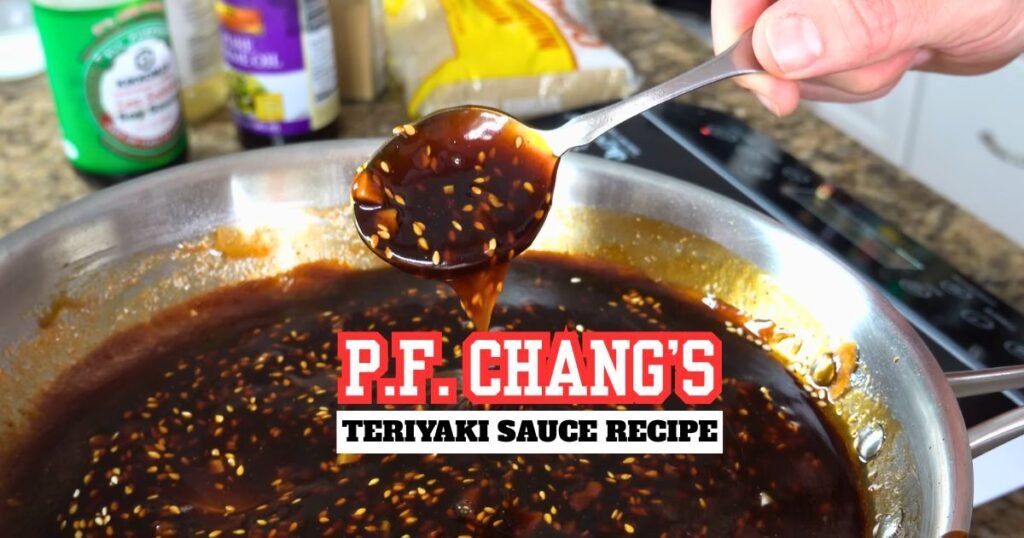
Many people buy teriyaki sauce from the store without thinking. I did this for years. After trying P.F. Chang’s Teriyaki Sauce Recipe at home, I realized that store-bought sauce is unnecessary because homemade sauce is thick, shiny, sweet, savory, garlicky, and full of bold flavor. The best part? You can make it in minutes with common pantry items you probably already have.
I used to order extra sauce every time we ate at P.F. Chang’s because I loved its sweet-and-salty taste. I thought making it from scratch would be hard or need special ingredients. But it is very easy, and the flavor is much better. This copycat recipe gives you that signature sticky finish with the right mix of soy sauce, garlic, ginger, and sweetness.
This versatile sauce is great for many dishes. You can brush it on chicken, toss it with beef and stir-fry noodles, glaze salmon, drizzle it over rice bowls, or use it as a dipping sauce for dumplings and vegetables. It makes simple meals taste special without costing much.
What Is P.F. Chang’s Teriyaki Sauce?
P.F. Chang’s Teriyaki Sauce is thicker and sweeter than traditional Japanese teriyaki sauces. It includes low-sodium soy sauce, brown sugar, garlic, ground ginger, rice vinegar, sesame oil, and cornstarch to thicken it.
This mix creates a savory and sweet sauce with a strong garlic flavor. Unlike traditional Japanese teriyaki, which uses sake and mirin for a lighter sweetness, P.F. Chang’s uses brown sugar for a richer taste.
The sauce is also glossy thanks to the cornstarch, which helps it adhere well to meats and vegetables. It is sweeter than many homemade teriyaki sauces, making it quite popular.
This sauce is not a thin marinade but a coating sauce that caramelizes when heated, turning simple proteins into tasty dishes.
Homemade vs. Store-Bought: Which One Actually Wins?
You can find P.F. Chang’s teriyaki sauce in most grocery stores or online at places like Amazon and Walmart. Look for it in the Asian foods aisle. Keep in mind that the bottled version is different from what you get at the restaurant. The bottled sauce is thinner, less garlicky, and more processed. It has added preservatives and doesn’t taste as good.
If you can’t find P.F. Chang’s, there are good options like Kikkoman Teriyaki Glaze, Soy Vay Veri Veri Teriyaki, and Panda Express Mandarin Teriyaki Sauce. These are closer to the thick, sweet sauce served in restaurants.
It’s also important to understand the differences between similar sauces. A teriyaki marinade is thinner and meant to soak into meat before cooking. A soy glaze is deeper, saltier, and less sweet, often cooked longer. Teriyaki sauce is in the middle; it coats well, is sweet enough to caramelize, and is savory enough to use as both a glaze and a dipping sauce.
Making your own teriyaki sauce is better for flavor, freshness, and control over the ingredients.

How Close Does This Copycat Get to the Original?
This homemade P.F. Chang’s Teriyaki Sauce recipe tastes very similar to the one served at the restaurant. The main flavors come from the deep sweetness of brown sugar, strong garlic, a hint of ginger, and the rich taste of soy sauce. The sesame oil adds a warm, nutty finish that bottled sauces often lack.
Homemade sauces usually have less intensity than restaurant versions. Restaurants often use more garlic and simmer the sauce longer for a stronger flavor. To boost the flavor at home, press the garlic into a paste rather than just mincing it, which releases more oils and gives the sauce a stronger garlic flavor.
To get even closer to the restaurant version, let the sauce simmer for an extra minute before adding the cornstarch slurry, which deepens the flavor and darkens the color, creating the rich, glossy look found in P.F. Chang’s dishes.
You can also adjust the amount of brown sugar slightly to match your personal taste of the sauce.
Ingredients for P.F. Chang’s Teriyaki Sauce
4 Garlic Cloves: Garlic is a key ingredient for this sauce. Use fresh cloves for a strong flavor. Smash the cloves to remove the skins, then chop and crush them into a paste to help the garlic mix well into the sauce. If needed, you can use about 1 teaspoon of garlic powder, but it will have a milder taste.
½ cup Brown Sugar: Brown sugar adds sweetness and a rich flavor. Its molasses gives the sauce a deep color and body. You can swap it with white sugar for a lighter taste or use honey for a floral hint.
1 cup Low Sodium Soy Sauce: This is the main ingredient, providing a salty, umami flavor without being too salty. If you only have regular soy sauce, mix ½ cup with ½ cup of water to reduce the saltiness. Tamari is a good gluten-free alternative.
2 tbsp Rice Vinegar: Rice vinegar adds mild acidity to balance the sweetness. It brightens the flavor without being too strong. You can use apple cider vinegar for a fruitier taste.
½ tsp Ground Ginger: Ground ginger adds warmth and a bit of spice. This amount is mild but noticeable. Freshly grated ginger can be used instead for a brighter flavor; about 1 teaspoon works well.
2 tsp Sesame Oil: Add sesame oil at the end of cooking for a nutty flavor. Don’t use more than two teaspoons, or it might overpower the sauce. Toasted sesame oil provides the best flavor, but regular will work too.
3 tbsp Cornstarch: Cornstarch thickens the sauce. Mix it with water first to make a slurry and prevent lumps. You can also use arrowroot powder for thickening.
4 tbsp Water: This water helps dissolve the cornstarch into a smooth mix before adding it to the hot sauce. Avoid adding dry cornstarch directly to hot liquid, as it can clump.
1 tbsp Sesame Seeds: Toasted sesame seeds are optional, but they add a nice crunch and appearance to the sauce. Toast them in a dry pan over medium heat until golden brown.
Tools I Recommend for This Recipe
- Small saucepan: A medium-sized one works best.
- Cutting board: A sturdy surface for prepping garlic.
- Chef’s knife: Use it for dicing and smashing garlic.
- Small mixing bowl: For making the cornstarch slurry.
- Whisk or spoon: To keep the sauce smooth and lump-free.
- Small, dry skillet: For evenly toasting sesame seeds.
- Glass jar or airtight container: For storing leftover sauce.
How to Make P.F. Chang’s Teriyaki Sauce
1. Prepare the Garlic: Peel and chop 4 garlic cloves. To make peeling easier, press each clove down with the flat side of a knife. Chop the garlic into small pieces and then mash it into a smooth paste.

2. Combine the Liquid Base: Heat a saucepan on medium heat. Add brown sugar and low-sodium soy sauce. Stir until the sugar dissolves. Add rice vinegar, ground ginger, garlic paste, and up to 2 teaspoons of sesame oil.

3. Boil and Thicken the Sauce: In a small bowl, whisk cornstarch into water until smooth. Heat the sauce over medium-high heat until it boils, about one minute. Slowly pour in the cornstarch mixture while stirring. The sauce will thicken in 30 to 60 seconds. Turn off the heat when the sauce is as thick as you want it.

4. Toast the Sesame Seeds: Toast sesame seeds in a dry skillet over medium heat until light golden brown, then stir them into the sauce. Let the sauce sit before using it as a glaze, dipping sauce, marinade, or stir-fry sauce.

Tips, Tricks, and Mistakes to Skip
Does Not Taste Like P.F. Chang’s: Garlic can cause flavor problems. Minced garlic adds texture, while crushed garlic paste adds depth. Press garlic into a paste before cooking. Be careful with soy sauce; using it straight can make the dish too salty and hide other flavors.
Fix Overly Salty Sauce: To balance out the saltiness, add a bit of brown sugar, a splash of rice vinegar, and a tablespoon of water. Stir and taste, as vinegar can cut the salt without adding sweetness, and water can dilute it. Add these gradually; you can always add more, but you can’t take them out.
Enhance flavor Instantly: At the end, add a tiny pinch of white pepper or a few drops of fish sauce for a richer taste. These ingredients are mild on their own but can improve overall flavor.
Slightly Smoky Finish: Add a quarter teaspoon of smoked paprika or a few drops of liquid smoke when adding other seasonings to get a subtle char flavor like what you find in restaurants.
Ideal Consistency: For dipping sauce, aim for a medium-thick texture that coats a spoon but drips slowly. For coating, make it thicker so it sticks well. For stir-fry, thin it slightly with a splash of water to help it spread and coat everything evenly.
Thicken Sauce: Always use a cornstarch slurry, not dry cornstarch. Mix equal parts cornstarch and cold water before adding it to the boiling sauce. Stir constantly to thicken evenly without lumps.
Fix Sauce That Is Too Thick: Add warm water one tablespoon at a time, stirring after each addition until you reach the desired consistency.
Cooking Techniques That Change Everything
To make teriyaki sauce, pay attention to the ingredients and how you thicken it. There are two main ways: simmering the sauce or using a cornstarch slurry. Simmering takes longer but intensifies the flavors. A cornstarch slurry is faster and gives a shiny finish.
Cooking time affects the flavor and texture of the sauce. Simmer it longer for a sweeter taste, or for a shorter time for a fresher flavor. Boil the sauce for at least 1 minute before adding the slurry, and stir constantly to achieve a smooth texture.
Keep the heat medium to medium-high to prevent the sugar from burning. If the sauce starts to darken at the edges, lower the heat. A good balance is 1 part sweetener to 2 parts soy sauce, plus a small amount of acid and flavorings, which creates a sauce that works well with many dishes.
Ways to Use This Sauce
This sauce is versatile. You can use it as a marinade, glaze, or stir-fry sauce. To marinate, pour it over raw meat and let it sit for at least 30 minutes. For glazing, brush it on in the last few minutes of cooking for a shiny finish.
When stir-frying, add it at the end to evenly coat the food. It works well with chicken thighs, beef, salmon, shrimp, tofu, and roasted vegetables. When grilling, apply it in the last few minutes for a charred effect.
For teriyaki chicken, sear the seasoned thighs, then pour the sauce over and let it reduce. For dipping, serve the sauce warm or at room temperature.
How to Store It
Store this sauce in an airtight container in the fridge. It will stay fresh for up to 2 weeks, but for the best flavor, use it within the first week. Always use a clean spoon to avoid contamination.
If you want to keep it longer, pour the cooled sauce into a freezer-safe container or an ice cube tray and freeze it for up to 3 months. Once frozen, move the cubes to a zip-lock bag.
To reheat, warm it on low on the stovetop, adding a tablespoon of warm water if needed, or microwave it in 20-second intervals, stirring in between. You can easily double or triple this recipe using a larger saucepan.
For the best texture, make the sauce without the cornstarch slurry. When you’re ready to use it, bring it to a boil and stir in the fresh slurry.
Nutrition & Health Breakdown
Homemade teriyaki sauce has about 50-70 calories per two-tablespoon serving. Most of these calories come from brown sugar and soy sauce, with 10 to 12 grams of sugar. If you use low-sodium soy sauce, you will have much less sodium than in store-bought versions, which can have over 600mg per serving.
This sauce is healthier because it doesn’t have additives like corn syrup and preservatives. Garlic and ginger add anti-inflammatory benefits, and sesame oil provides healthy fat.
To lower the sugar content, you can replace brown sugar with monk fruit or erythritol, but keep in mind that caramelization may differ. For a keto version, use coconut aminos. To reduce sodium even further, you can mix regular soy sauce with water or use low-sodium tamari. The cooking results will still be the same.

P.F. Chang’s Teriyaki Sauce Recipe
Make this P.F. Chang's Teriyaki Sauce Recipe at home in 15 minutes, thick, glossy, and packed with bold sweet-savory flavor.
Ingredients
- 4 garlic cloves
- ½ cup brown sugar
- 1 cup low-sodium soy sauce
- 2 tbsp rice vinegar
- ½ tsp ground ginger
- 2 tsp sesame oil
- 3 tbsp cornstarch
- 4 tbsp water
- 1 tbsp sesame seeds
Instructions
- Peel and chop 4 garlic cloves. To make peeling easier, press each clove down with the flat side of a knife. Chop the garlic into small pieces and then mash it into a smooth paste.
- Heat a saucepan on medium heat. Add brown sugar and low-sodium soy sauce. Stir until the sugar dissolves. Add rice vinegar, ground ginger, garlic paste, and up to 2 teaspoons of sesame oil.
- In a small bowl, whisk cornstarch into water until smooth. Heat the sauce over medium-high heat until it boils, about one minute. Slowly pour in the cornstarch mixture while stirring. The sauce will thicken in 30 to 60 seconds. Turn off the heat when the sauce is as thick as you want it.
- Toast sesame seeds in a dry skillet over medium heat until light golden brown, then stir them into the sauce. Let the sauce sit before using it as a glaze, dipping sauce, marinade, or stir-fry sauce.
Nutrition Information:
Yield: 12 Serving Size: 1Amount Per Serving: Calories: 60
When you crave something bold and satisfying, try this P.F. Chang’s Teriyaki Sauce Recipe. It stands out because of its careful preparation. The garlic paste, timed boil, and cornstarch mixture all work together to create great flavor. This sauce deserves a regular place in your meal planning.